The Magic of the Shoulder Season
The concept of the "shoulder season" is the strategic traveler's most potent weapon. Traditionally defined as the periods falling directly between the peak tourist crush and the desolate off-season, these months—primarily April to May and September to October—offer a compromise that often surpasses the peak season itself.
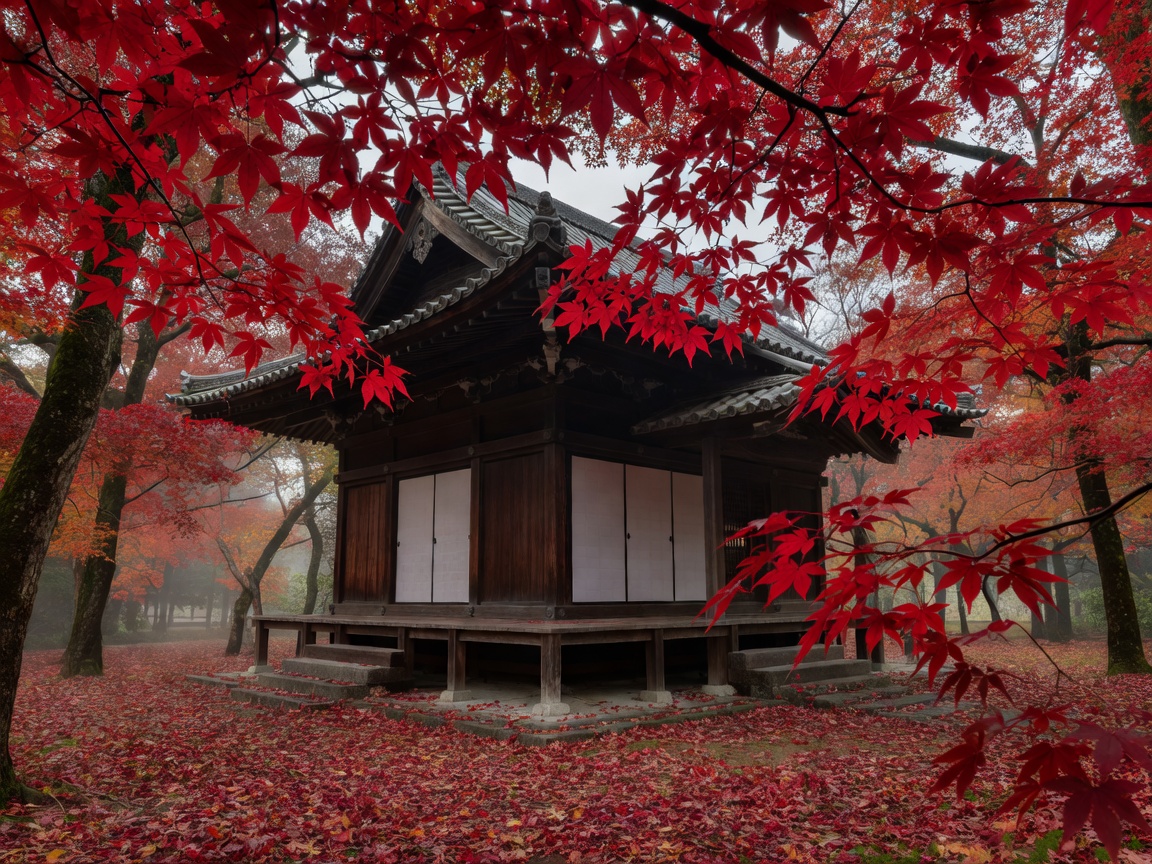
Why do we hold the shoulder season in such high regard? Peak seasons are artificially inflated by school holidays and deeply ingrained cultural habits rather than optimal meteorological conditions. By shifting your itinerary merely six weeks in either direction, the entire landscape transforms.
European Autumns
Consider the Mediterranean coastlines of Italy, Greece, and Spain. In August, the heat is oppressive, and the infrastructure is pushed to breaking point. Move your travel window to late September, and the sea retains the warmth of the summer sun, but the air turns crisp. Prices for accommodations typically drop by 30%, and the frantic energy of summer tourism is replaced by a slow, deliberate appreciation of the environment.
Andalusia, Spain
October brings daytime highs of 25°C. The Alhambra is navigable, and the severe summer heat waves are a memory.
Dubrovnik, Croatia
Late May offers clear, calm waters in the Adriatic without the suffocating crush of July cruise ship arrivals.
Asian Springs
In East Asia, the transition between winter and summer is notoriously brief but extraordinarily rewarding. While the cherry blossom season in Japan (late March to early April) has effectively become a peak season of its own, targeting mid-to-late May—the "green season"—yields lush landscapes, mild temperatures, and profound quiet before the monsoon rains of Tsuyu arrive.
The strategic traveler does not guess. They analyze historical climate data, monitor local school term dates, and book their passage when the intersection of decent weather and minimal foot traffic is realized.