Winter Wonderlands vs Sun Chasing
The instinct of the northern traveler in January is flight—specifically, southward, toward the equator. While chasing the sun is a valid and necessary pursuit for morale, leaning into the harshness of deep winter yields atmospheric rewards that the tropics can never provide.
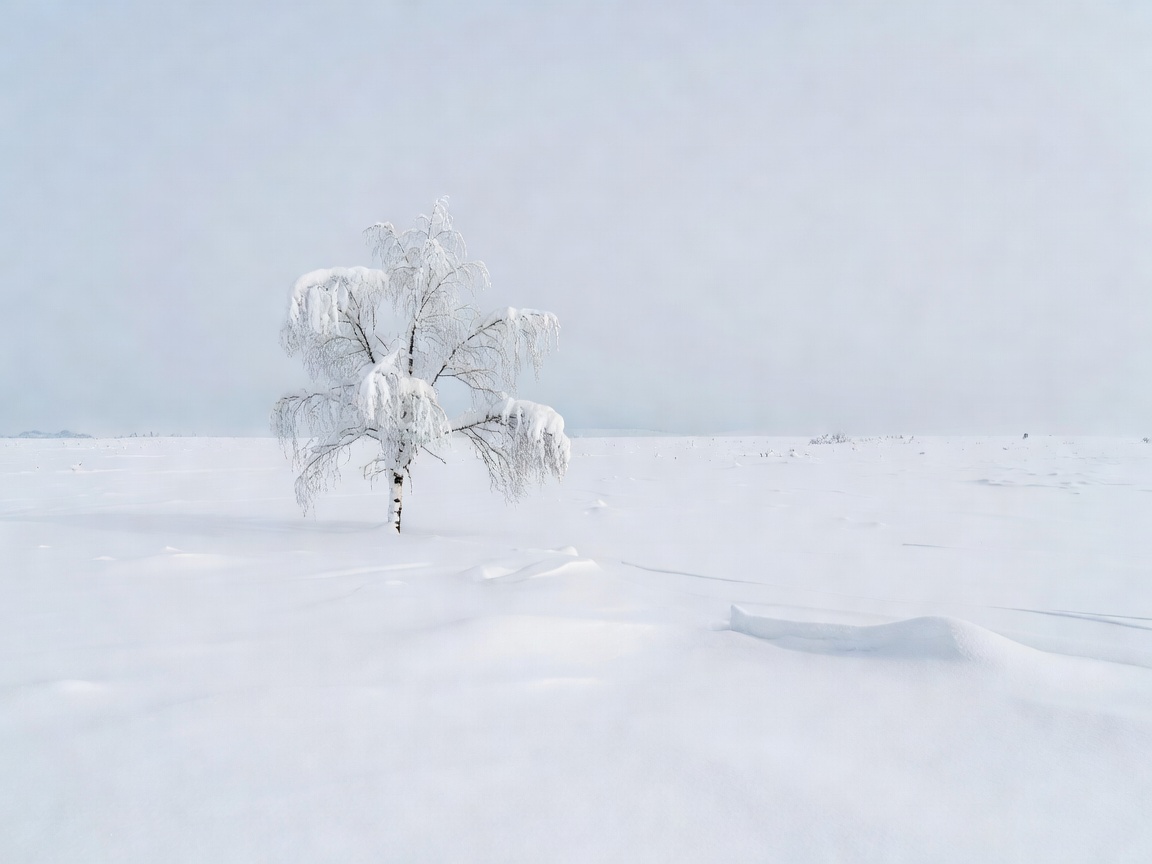
This almanac champions intentionality. If you are to escape the cold, do so where the dry season is absolute. If you are to embrace the cold, do so where the infrastructure and culture elevate the frost into high art.
Leaning into the Frost
To experience winter properly, one must seek regions where society does not merely endure the cold, but organizes itself around it. These are locations where the stark, monochromatic landscapes force a slower pace of travel.
Hokkaido, Japan
February delivers some of the deepest, driest powder snow on Earth. Beyond skiing, the culture of the onset (hot springs) contrasted with sub-zero external temperatures creates a stark, physical reset for the body.
Tromsø, Norway
Deep within the Arctic Circle. The polar night of December and January offers minimal daylight, but maximum probability of the Aurora Borealis against ink-black skies.
The Southern Hemisphere Strategy
For those intent on sun chasing, the deep winter months of the North are the peak summer months of the South. However, caution is required. December and January in places like Rio de Janeiro or Sydney represent peak holiday periods for locals as well. Prices multiply; beaches become crowded.
The strategic choice is Central America or the Caribbean during late January to early March. The hurricane season has ended, the rains have ceased, and the humidity drops to tolerable levels. The atmosphere is reliable, allowing for uninterrupted rest without the logistical anxiety of unpredictable weather.